What is a Supply Chain? Traceability and Transparency for Modern Businesses

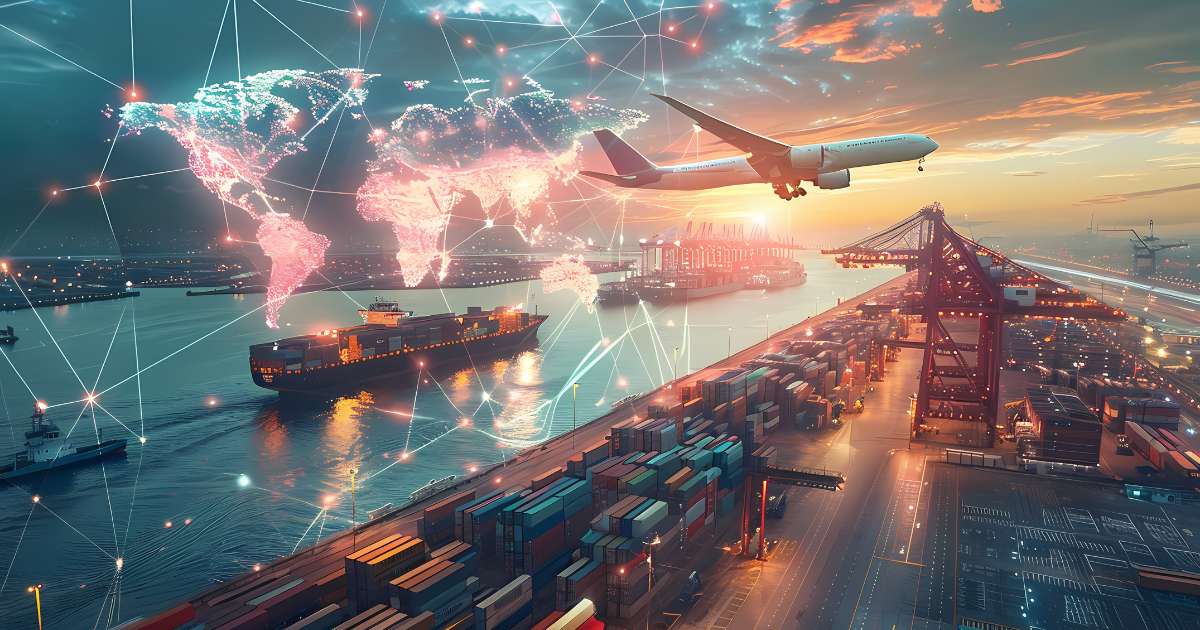
In today's rapidly changing global market, the journey of a product from raw material to the final consumer has become more complex than ever. A business's success depends not only on the quality of the product it produces but also on how well the massive network behind that product is managed. We call this network the supply chain.
So, what exactly is a supply chain, why is it so important, and how is this process transforming with digitalization?
What is a Supply Chain?
In its simplest definition, a supply chain is the entirety of steps, people, organizations, and technologies that enable a product or service to reach from the supplier to the manufacturer, from the wholesaler to the retailer, and ultimately to the consumer.
This chain starts with the procurement of raw materials and extends across a broad cycle until the product reaches the end of its lifespan and is recycled.
Why is Supply Chain Management (SCM) Vital?
Effective Supply Chain Management (SCM) provides businesses with both cost and competitive advantages. The key benefits that successful management offers to businesses are:
- Cost Optimization: It reduces unnecessary inventory holding costs and accelerates logistics processes, lowering operational expenses.
- Customer Satisfaction: It guarantees that the right product reaches the customer at the right time and completely undamaged.
- Risk Management: It makes the business more flexible and prepared against global crises, raw material shortages, or logistics disruptions.
Disconnects in the Traditional Chain and Next-Generation Needs
In the past, supply chains progressed in a linear and black-box fashion. A manufacturer often didn't know the exact conditions under which the raw material was produced or where the product went after its useful life ended. However, today the rules of the game have changed.
New regulations from the European Union (such as the Green Deal) and modern consumers with high environmental awareness are demanding "transparency" from brands. Consumers now want to know the carbon footprint of the product they buy, its recyclability rate, and whether it has passed through ethical production stages.
The Solution: Transparency, Traceability, and Digitalization
The only way to illuminate the dark spots in the supply chain is to provide end-to-end traceability. At this point, one of the most powerful tools offered by technology comes into play: digital systems that record the entire lifecycle of products.
Modern supply chains must now have the following features:
- Full Traceability: The ability to track every step of a product from its cradle to its grave (or its rebirth).
- Data Transparency: Uninterrupted and reliable data flow between suppliers, manufacturers, and consumers.
- Circular Economy Compatibility: The ability to plan the post-use recovery and recycling processes of products.
Innovative approaches, especially the Digital Product Passport (DPP), securely gather data from every link of the supply chain into a single point, transparently revealing the entire identity of the product. In this way, businesses not only fulfill legal obligations but also elevate brand reliability to the top.
Conclusion
The supply chain is no longer just an operation consisting of logistics and warehousing; it is a strategic process where data, sustainability, and transparency are managed. Businesses that digitize this process and make it traceable will be the winners of competition in the circular economy of the future.