Why Traceability Has Become the Foundation of Industrial Resilience

Global supply chains have been undergoing unprecedented tests in recent years. Raw material crises, shifting geopolitical balances, and rapidly tightening environmental regulations point manufacturers to a single truth: Traceability is no longer a "nice-to-have" concept; it is the very essence of industrial survival and resilience.
Especially for companies exporting to the European Union market, transparency has become a metric as critical as product quality. So, why has traceability turned into the cornerstone of modern industry, and what are the technologies lying at the heart of this transformation?
What are Battery Passports, Due Diligence, and Vehicle Circularity Signaling in Automotive Supply Chains?
The automotive industry is experiencing the greatest transformation in its history with the electrification revolution. At the center of this transformation are batteries. However, producing a battery is not just an engineering feat; it is also a complex data management process.
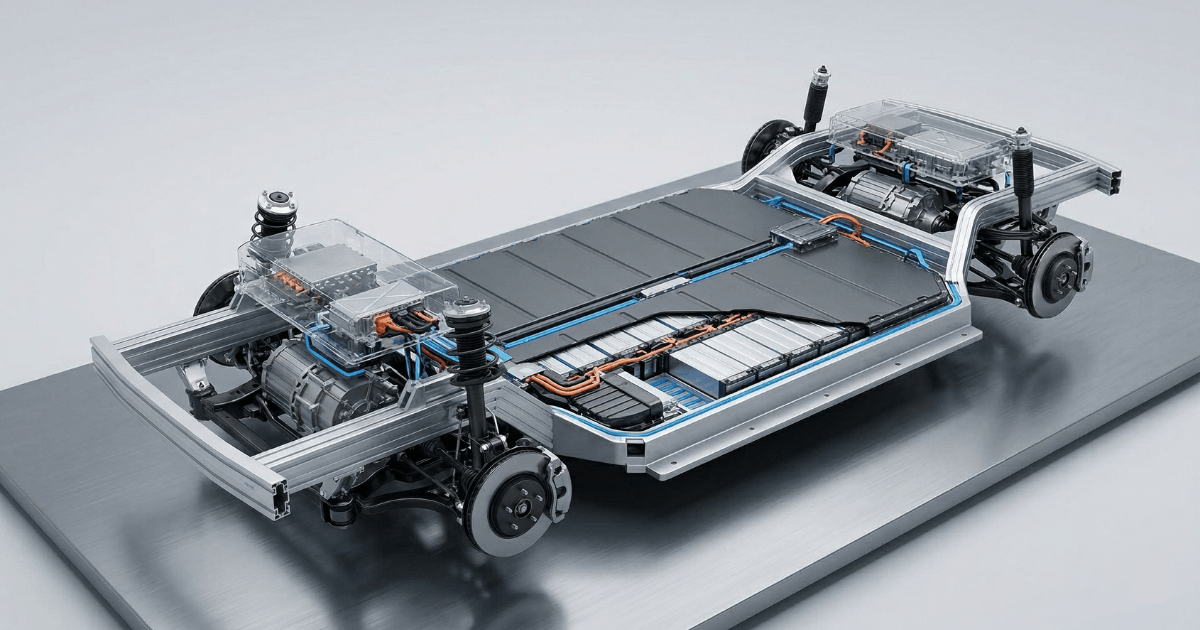
- Battery Passports: These are digital records that log the entire lifecycle (production, usage, recycling) of an electric vehicle (EV) battery. This record includes the proportion of minerals used such as lithium, nickel, and cobalt, the carbon footprint, and the state of health (SOH) of the battery.
- Due Diligence: This is the process of proving whether the critical metals used in battery production have been extracted in accordance with ethical, environmental, and social standards.
- Vehicle Circularity Signaling: This is the system that notifies stakeholders in advance about how much of the valuable materials within a vehicle or battery can be recycled when it reaches the end of its life, and how they can be used in a second life (e.g., energy storage).
Managing all these processes manually is now impossible. At this point, establishing a reliable battery passport management infrastructure has become mandatory for the automotive main industry (OEMs) and suppliers.
What is the Digital Product Passport (DPP)?
The Digital Product Passport (DPP), which is the umbrella version of the battery passport concept in automotive, can be defined as the "digital twin" of a physical product.
Simply put, the DPP is a comprehensive data set that shows where a product was manufactured, what materials it contains, its environmental impact, and how it can be recycled. Accessible via cloud-based systems, these passports are typically presented to the end user, customs officials, or recycling facilities through a QR code label on the product.
To lighten the operational load in your export processes and automate all this data flow, you can learn more about Digital Product Passport solutions.
Why Are Companies Hearing About This Now?
Although traceability and sustainability have been discussed for years, there is a very clear reason why they have suddenly entered corporate agendas as "code red": Legal Sanctions and Regulations.
The European Union New Battery Regulation and the Ecodesign for Sustainable Products Regulation (ESPR), enacted under the European Green Deal, have radically changed the rules of the game.
Starting in 2027, the digital passport will become mandatory for industrial batteries and electric vehicle batteries entering the European market. Very soon, this obligation will also cover other critical sectors such as textiles, electronics, and plastics. Companies are hearing about this now because those who fail to comply will have their access to the European market blocked at customs.
What Are the Advantages for Early Adopter Companies?
Companies that view this new era not as a "burden" but as a "competitive advantage" and invest in traceability infrastructures today gain strategic benefits:
- Expanding Market Share: While competitors get stuck on regulations and lose market share, early adopters become the number one suppliers for giant European brands (OEMs).
- Operational Efficiency: Data blind spots in the supply chain are eliminated. It becomes instantly identifiable where a material is wasted or which supplier poses a risk.
- Access to Green Financing: Companies that prove their environmental transparency benefit much more easily from sustainability-focused global incentives and low-interest green loans.
If you also want to increase your company's industrial resilience and reduce risks to zero in your European exports, contact our experts today to design an integrable solution with Cirtrace without slowing down your production lines.