2026 and Beyond: When Will the Digital Product Passport (DPP) Become Mandatory?

Harika! İngilizce içerik, küresel organik trafiği çekmek ve yurt dışındaki B2B müşterilerine ulaşmak için çok kritik.
Önceki blog yazılarında olduğu gibi bu içerik için de SEO uyumlu, arama motorlarında öne çıkacak bir İngilizce URL (slug) önerisini en başa ekledim. İşte global kitleye hitap eden, SEO optimize edilmiş İngilizce blog yazın:
One of the biggest revolutions awaiting the business world under the European Green Deal is undoubtedly the Digital Product Passport (DPP). For manufacturers and supply chain managers, sustainability is no longer just a corporate vision—it is rapidly becoming a legal obligation.
So, when exactly does this new system, introduced under the Ecodesign for Sustainable Products Regulation (ESPR), come into effect? How should companies that supply or export products to the European Union market prepare for this timeline? Here is everything you need to know for 2026 and beyond.
When Does the Digital Product Passport (DPP) Requirement Start?
Instead of applying regulations to all industries simultaneously, the European Commission has planned a phased transition, starting with sectors that have the highest environmental impact and potential for circularity.
2026 - 2027 Period: First Affected Sectors
In the first phase, the focus is on sectors with a high carbon footprint that need to be quickly integrated into the circular economy:
- Textiles, Apparel, and Footwear: To control the massive waste generated by the fast fashion industry, apparel products will be among the first groups to transition to the DPP.
- Batteries: Industrial batteries and electric vehicle (EV) batteries are among the earliest product groups included in the system to ensure the traceability of rare elements used in their production.
2028 - 2030 Period: Expanding the Scope
Following the initial phase, the regulations will expand to cover other major manufacturing branches:
- Furniture and timber products
- Chemicals and plastics
- Construction materials
- Consumer electronics
Which Companies Are Liable Under ESPR?
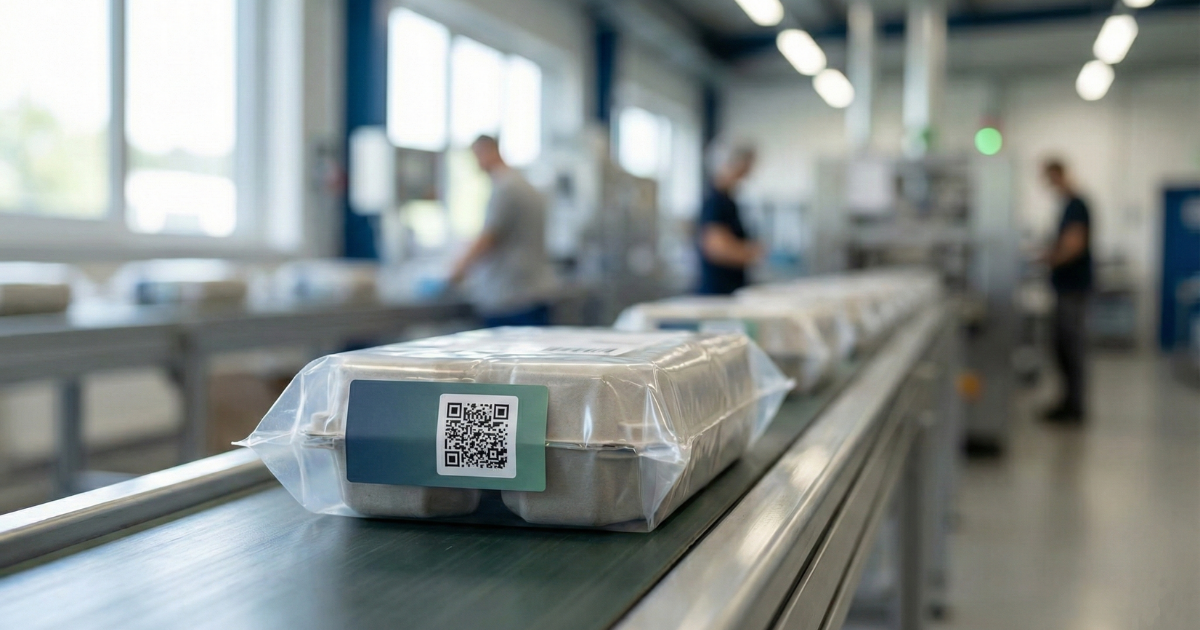
One of the most common misconceptions is that these regulations only bind manufacturers physically located within the borders of the European Union. In reality, the exact opposite is true. All brands, regardless of their location, that export to EU countries, participate in the supply chain, or place products on the European market are subject to these rules. When your product passes through EU customs, it must carry a valid Digital Product Passport (usually in the form of a QR code) that details the product's entire lifecycle.
What Happens If You Are Not DPP Compliant?
Significant risks await businesses that fail to comply with the regulations after 2026:
- Market Exclusion: Products that cannot provide the required datasets (carbon footprint, repairability index, material composition) will be blocked from entering the EU market.
- Financial Penalties: Heavy fines are planned for companies that violate compliance rules.
- Loss of Reputation and Competitiveness: Brands that cannot offer transparency will lose the trust of B2B partners and conscious consumers, putting them at a severe disadvantage in tenders and contracts.
How to Prepare Your Business for the 2026 DPP Mandate?
You can view this process not as a crisis, but as an opportunity to get ahead of your competitors. For a successful transition, you should follow these steps:
- Conduct a Data Audit: Identify what data you currently collect—from raw materials to the recycling process—and pinpoint what data is missing.
- Increase Supply Chain Transparency: Start communicating now to ensure traceability not only in your own factory but also across your sub-tier suppliers.
- Choose the Right Technology Partner: It is impossible to manage all this data manually or keep it in Excel spreadsheets. You need a secure, scalable SaaS infrastructure that is fully compliant with the regulations.
Transition to the Digital Product Passport Today with Cirtrace
The clock is ticking for the upcoming EU regulations. Preparing your business for the 2026 rules doesn't have to mean struggling with complex integration processes.
Cirtrace is a comprehensive SaaS solution that allows you to securely collect and manage your products' lifecycle data, generating Digital Product Passports that are fully compliant with European standards. Thanks to its user-friendly interface, you can quickly adapt to regulations regardless of your technical infrastructure.
Take action today to secure your place in the circular economy of the future and continue exporting to the European market without interruption.