Why is the Digital Product Passport (DPP) Important in the Battery Industry?

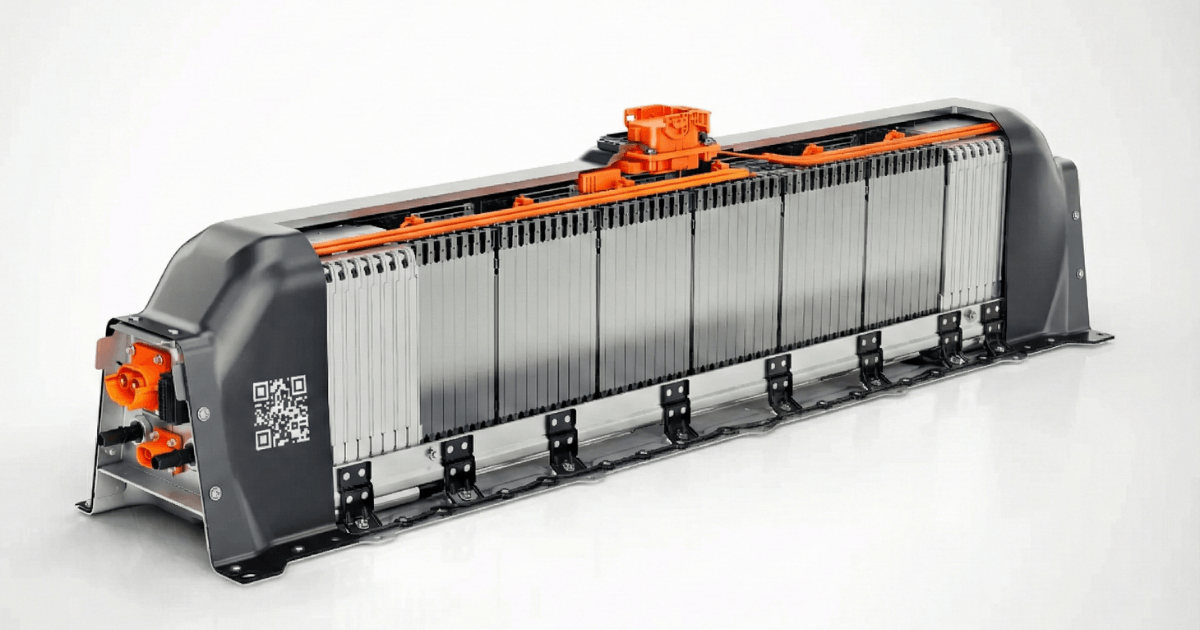
The dynamics of global trade are shifting rapidly. Sustainability is no longer just a "preference"—it has become the market's toughest "barrier to entry." For battery manufacturers and energy storage solution providers exporting to the European Union, this shift has a specific name: The Digital Product Passport (DPP).
So, why is the DPP so vital for the battery sector, and how should manufacturers prepare for this transition?
1. Legal Compliance: The EU Battery Regulation
The first step to understanding the importance of the DPP is examining the EU Battery Regulation. By 2027, the European Union will mandate a digital passport for all industrial batteries over 2 kWh, electric vehicle (EV) batteries, and Light Means of Transport (LMT) batteries.
Without this passport, entering the European market will become technically impossible. The DPP ensures that all lifecycle data—from chemical composition to recyclability—is transparently available.
2. Transparency and Supply Chain Security
Battery production relies on critical raw materials such as lithium, cobalt, and nickel. The DPP records:
- Where these materials were mined,
- Under what conditions they were processed,
- How they were transported through the supply chain.
This level of transparency allows you to prove ethical production standards and significantly boosts brand trust with the end consumer.
3. Carbon Footprint Management
New regulations require the declaration of the total carbon footprint of batteries, from production to recycling. The Digital Product Passport ensures this data is stored in a verifiable format. Products with a lower carbon footprint gain a competitive edge in the market and are better positioned to benefit from "green incentives."
4. Circular Economy and Second Life
When an EV battery reaches the end of its life in a vehicle, it doesn't become waste. It often retains 70-80% of its capacity, making it suitable for "second life" use in Energy Storage Systems (ESS).
Since the DPP digitally stores the battery's State of Health (SoH) and usage history, it enables the accurate valuation of the battery in the secondary market. This creates new revenue models for battery manufacturers and recycling firms.
Conclusion: Not Just Compliance, But Opportunity
Viewing the Digital Product Passport merely as a bureaucratic hurdle is a mistake. It is the key to a new era where data-driven, transparent, and sustainable brands stand out.
At Cirtrace, we simplify this complex regulatory process for battery manufacturers and exporters. By creating a digital twin of your products, we help you generate Digital Product Passports fully compliant with EU standards in seconds.
You focus on production; let Cirtrace handle the digital compliance.